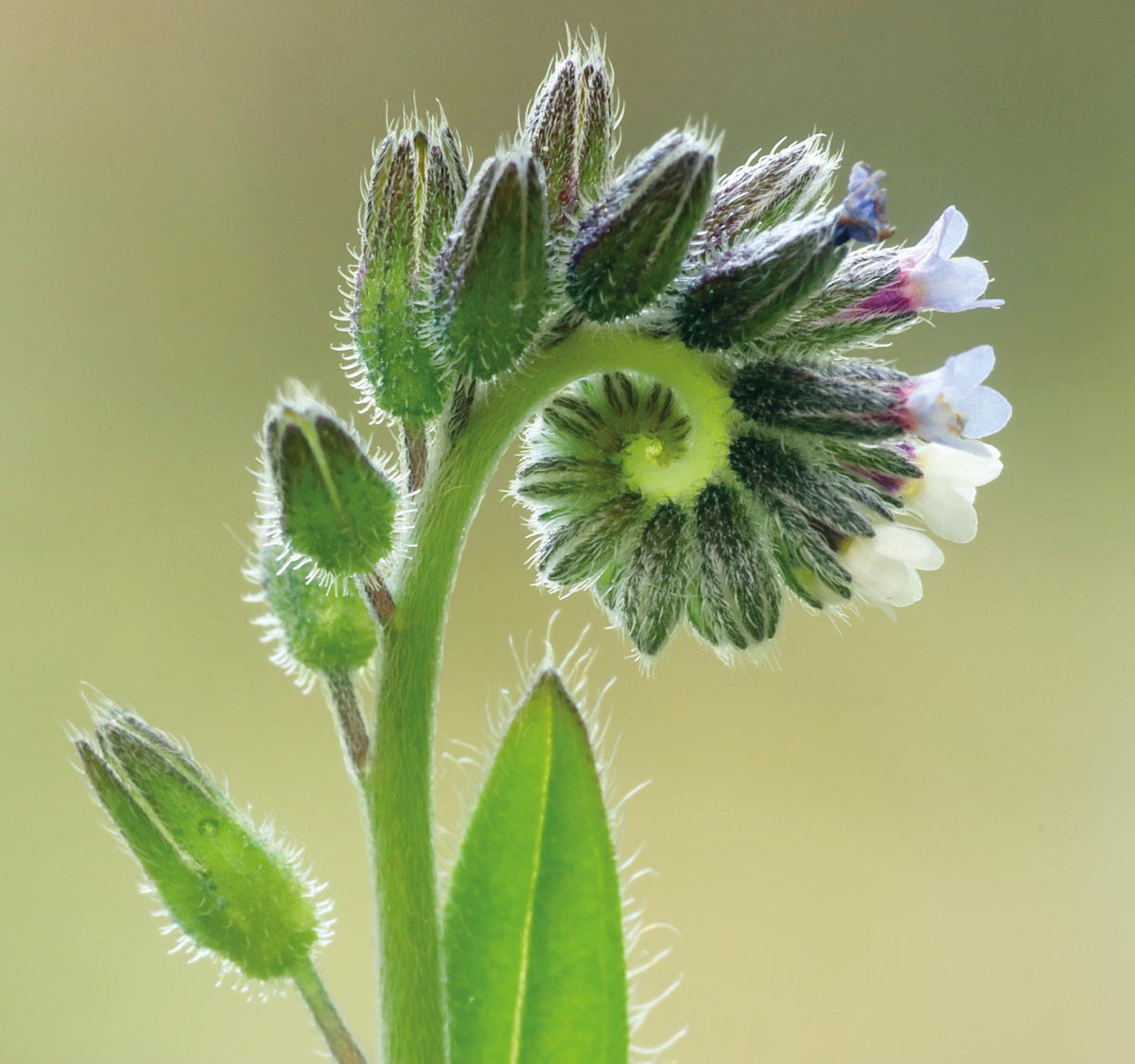
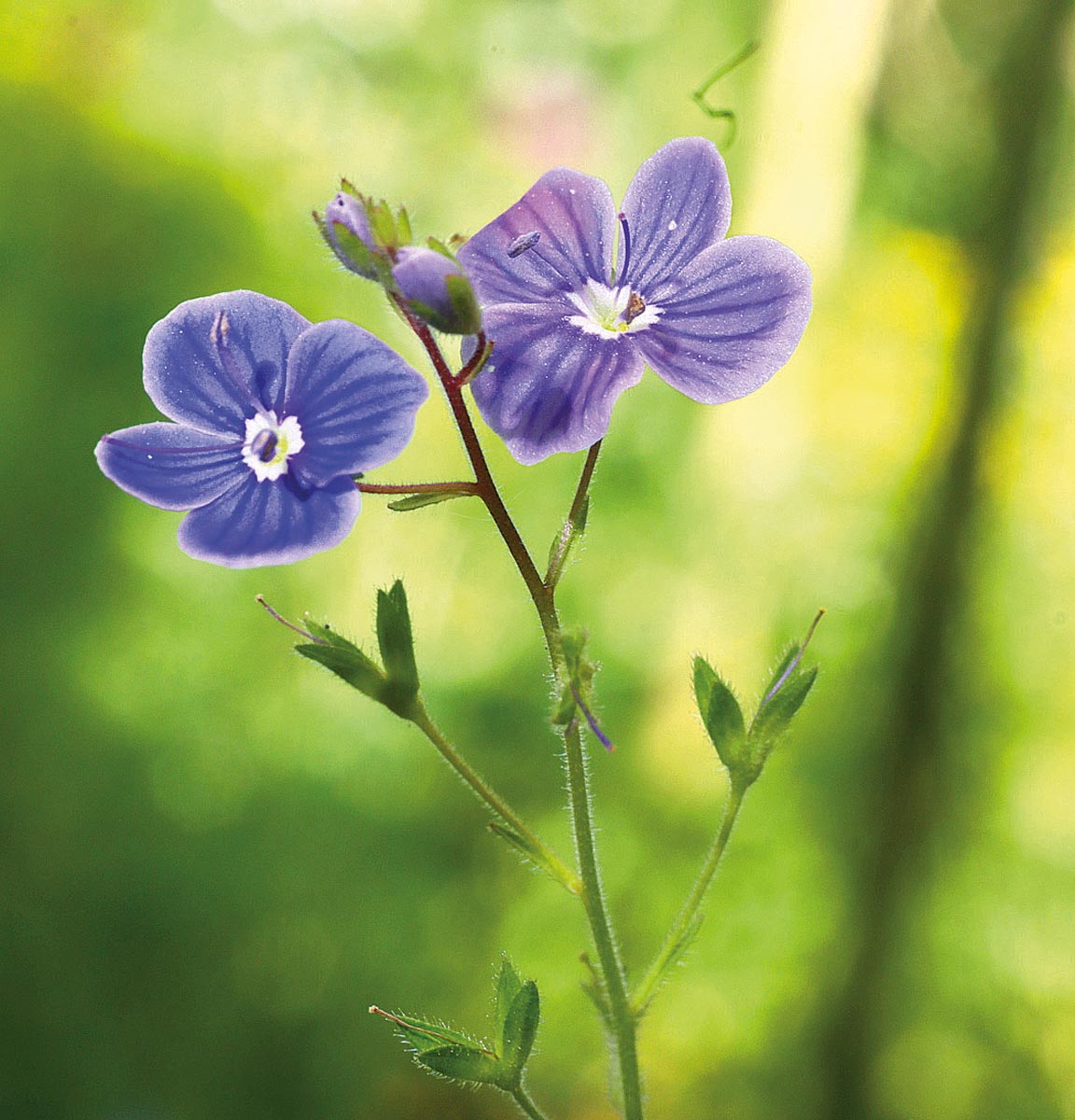
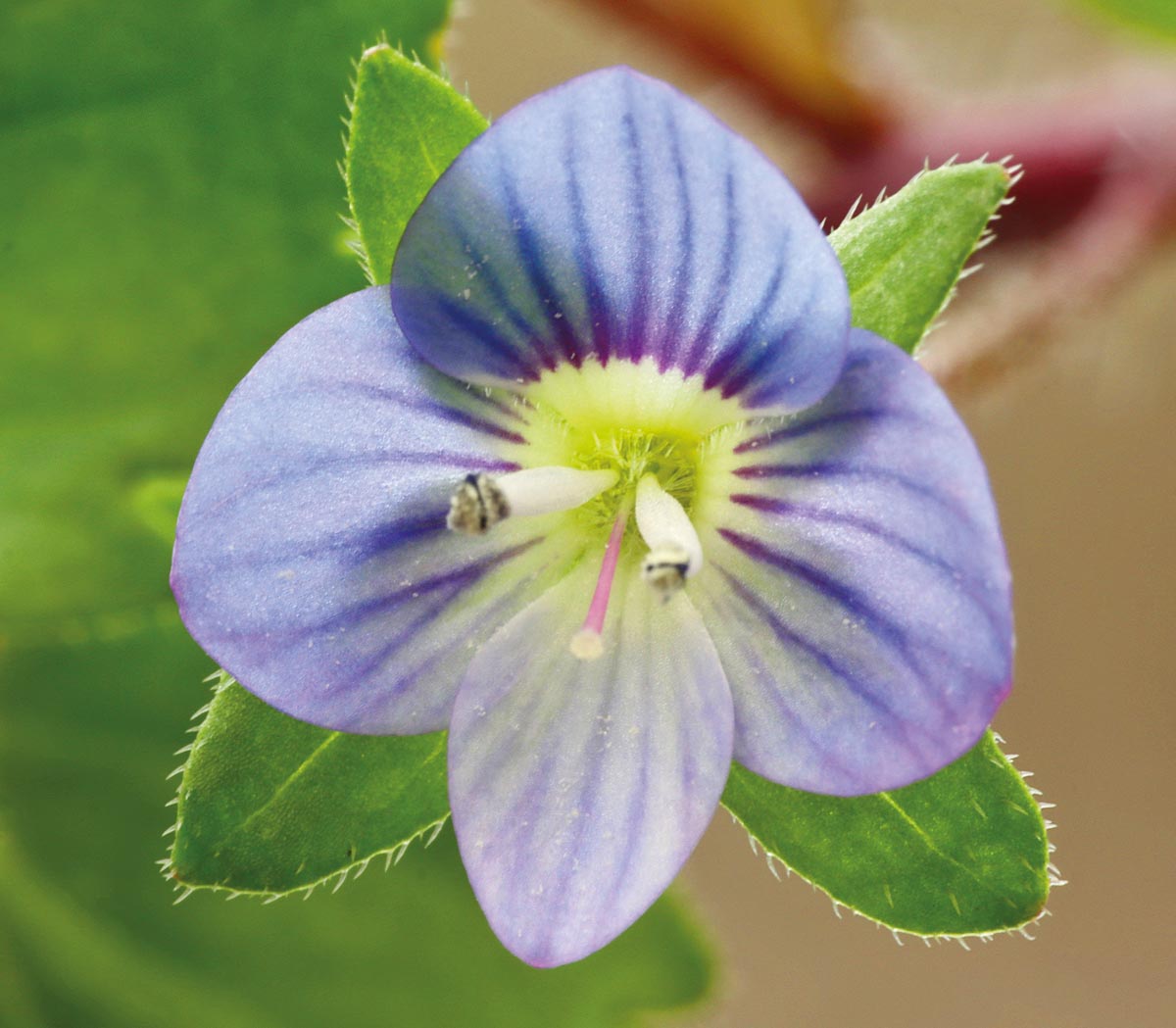
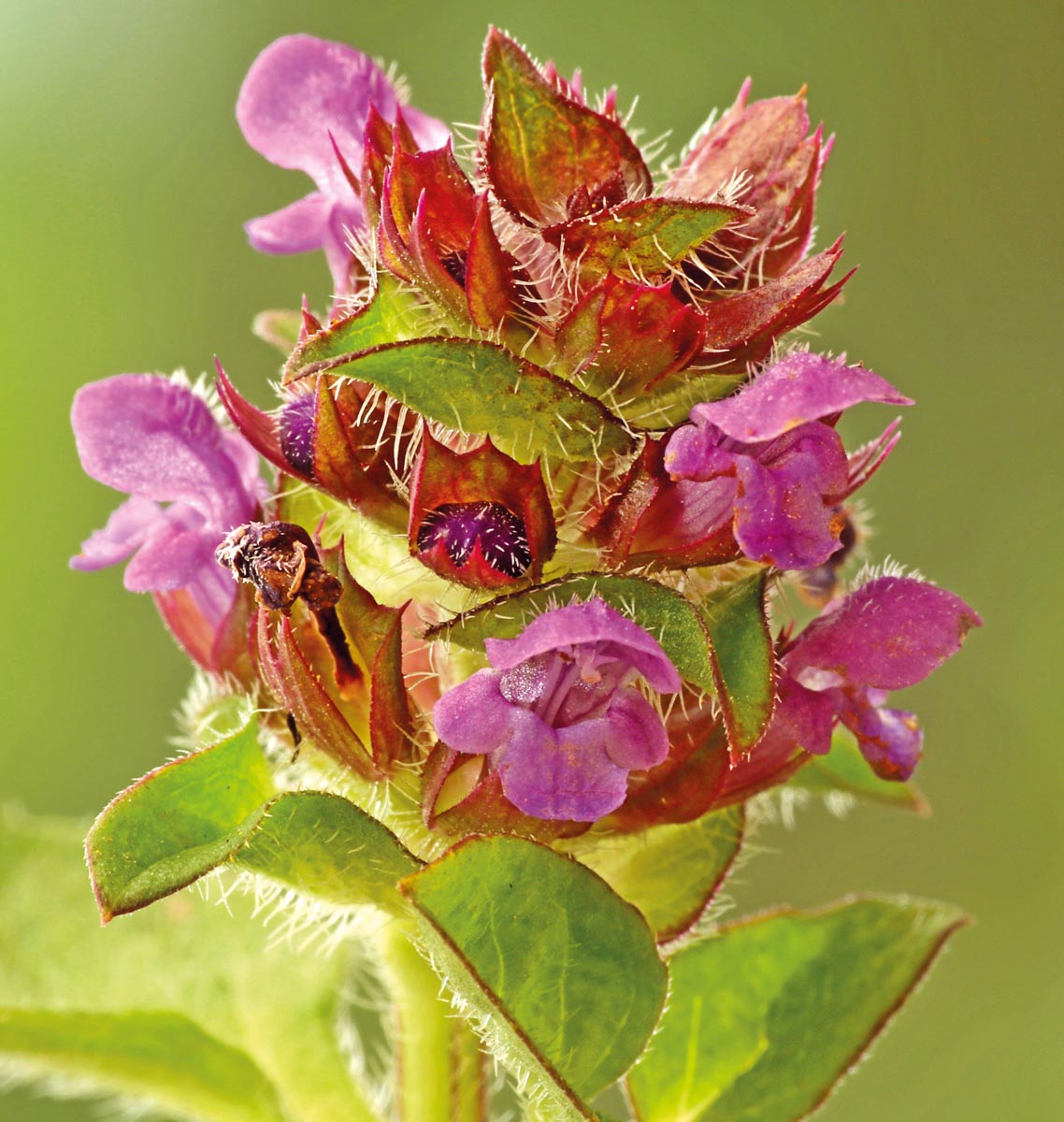
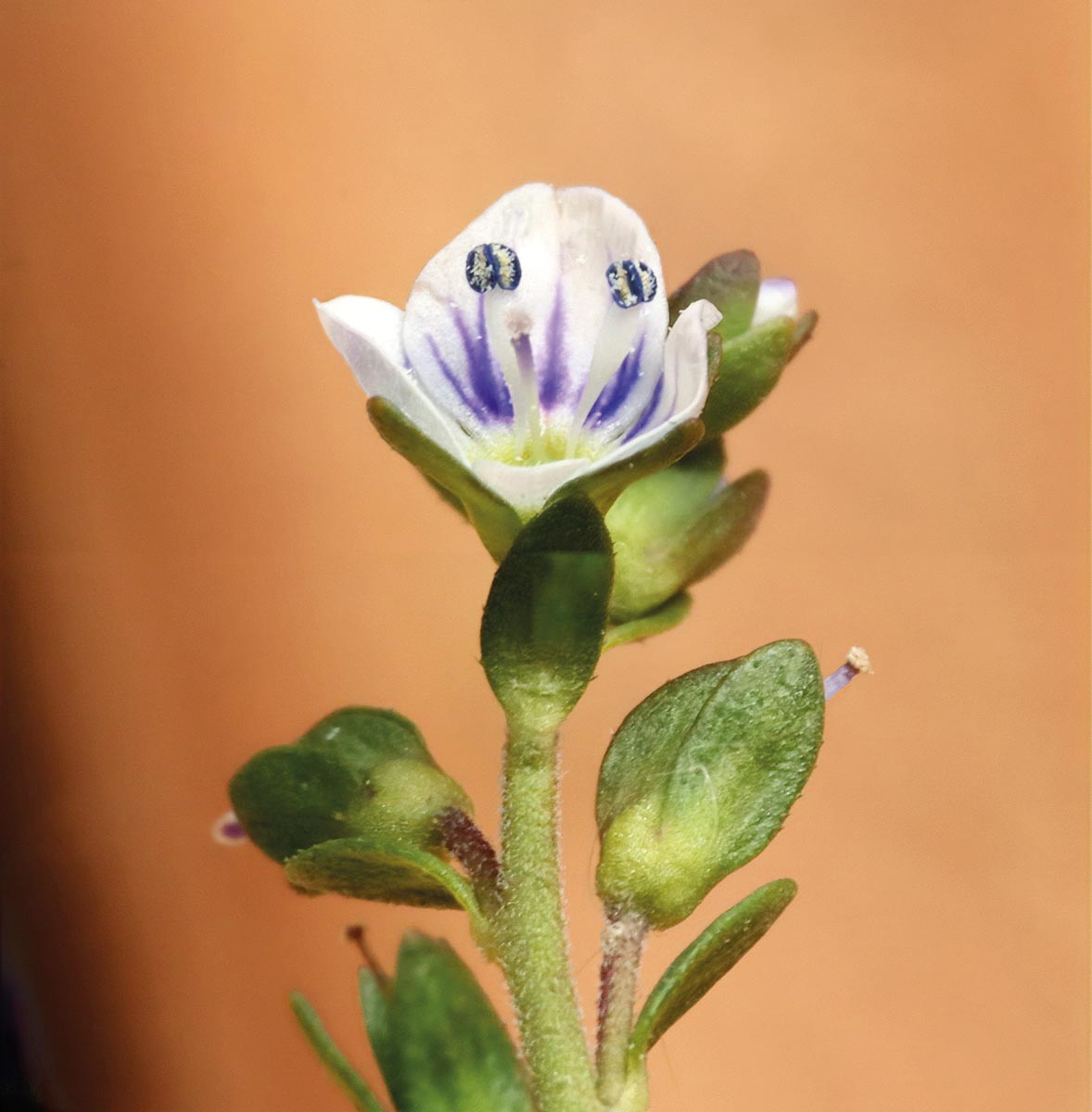
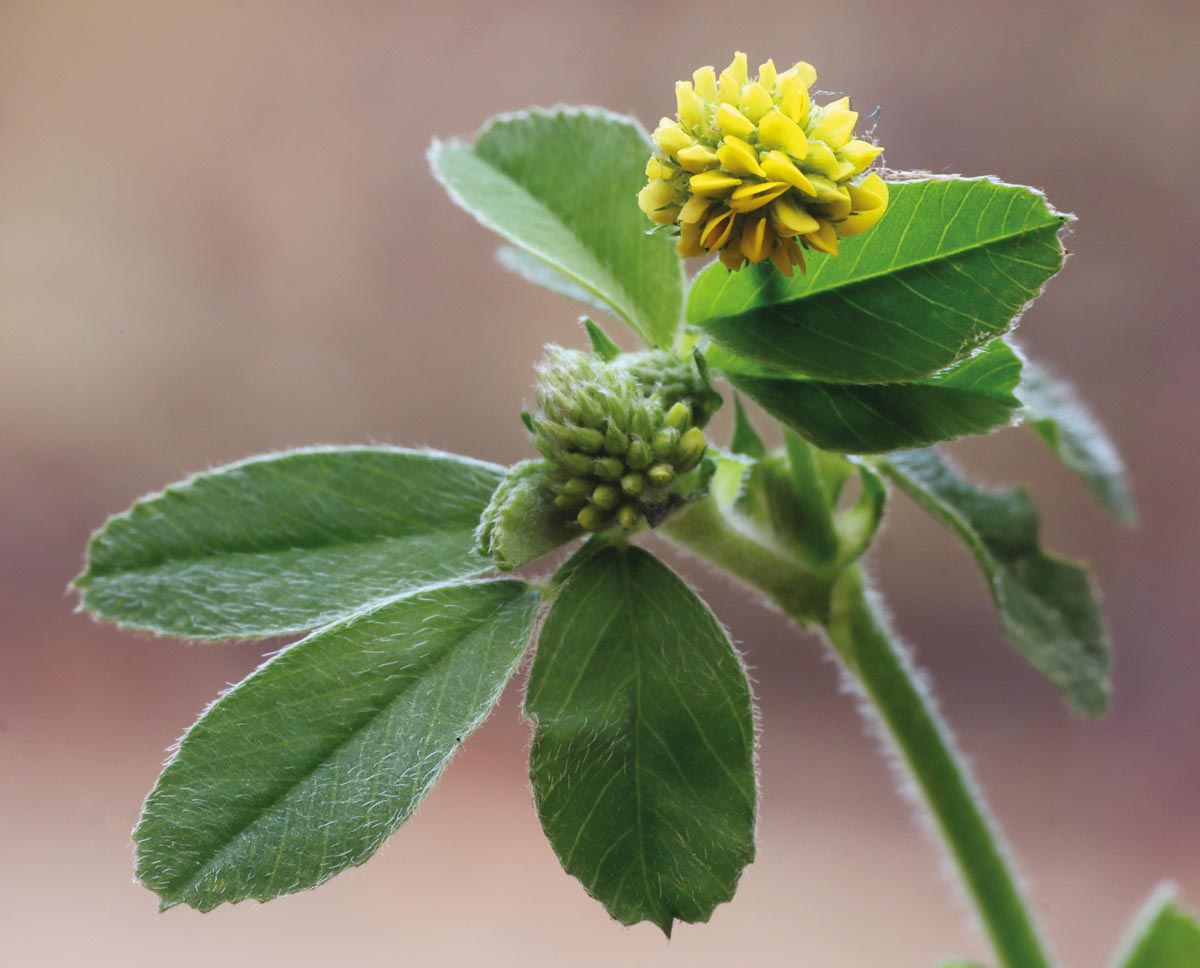
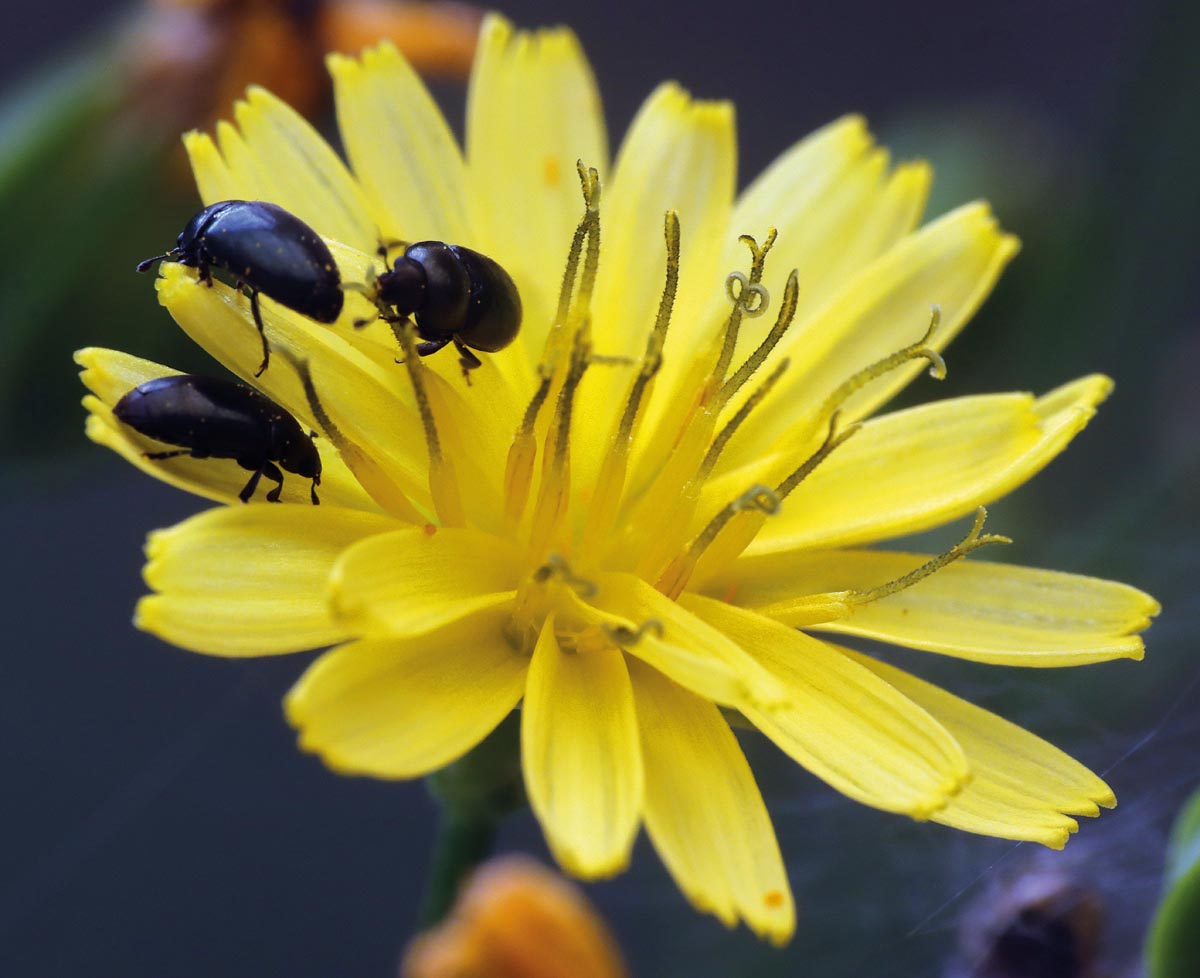
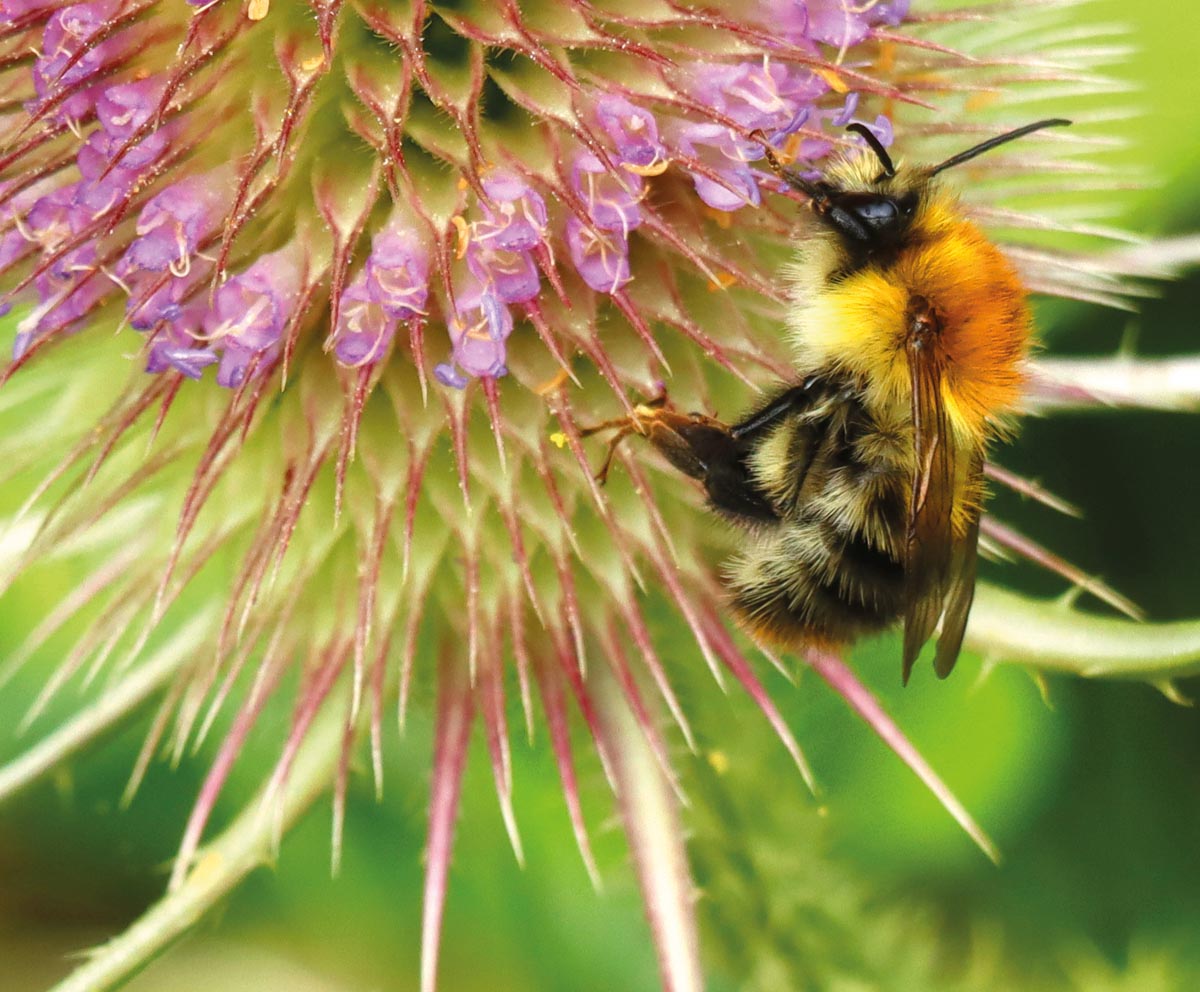
It’s that time of year when you might be thinking of weeding the garden to prepare for planting but, although often dismissed as unruly intruders, weeds are essentially plants in the wrong place. Tony Bates, MBE and former Chair of Dorset Wildlife Trust asks us to stop for a moment and take a closer look at the flowers that we class as weeds, and the important role they play in pollination and biodiversity.
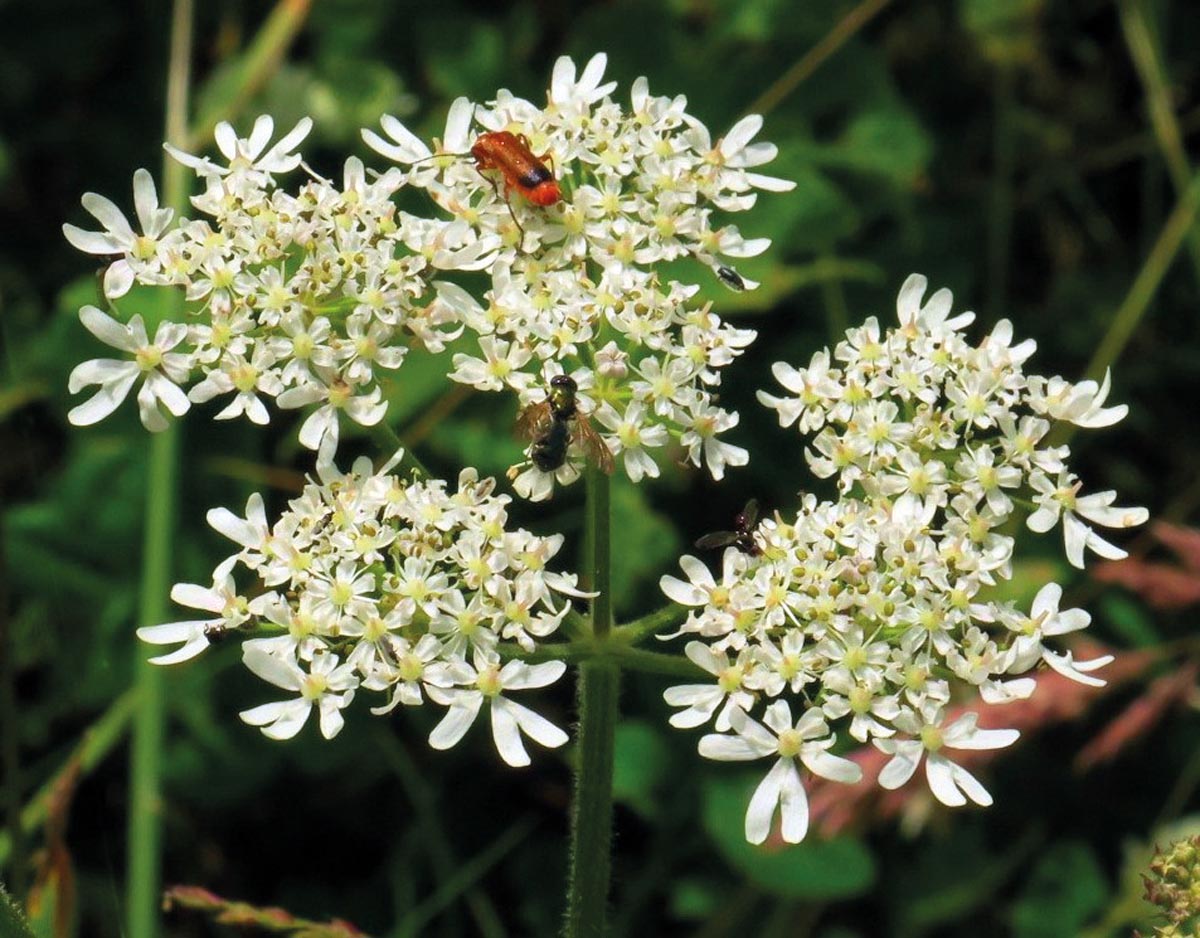
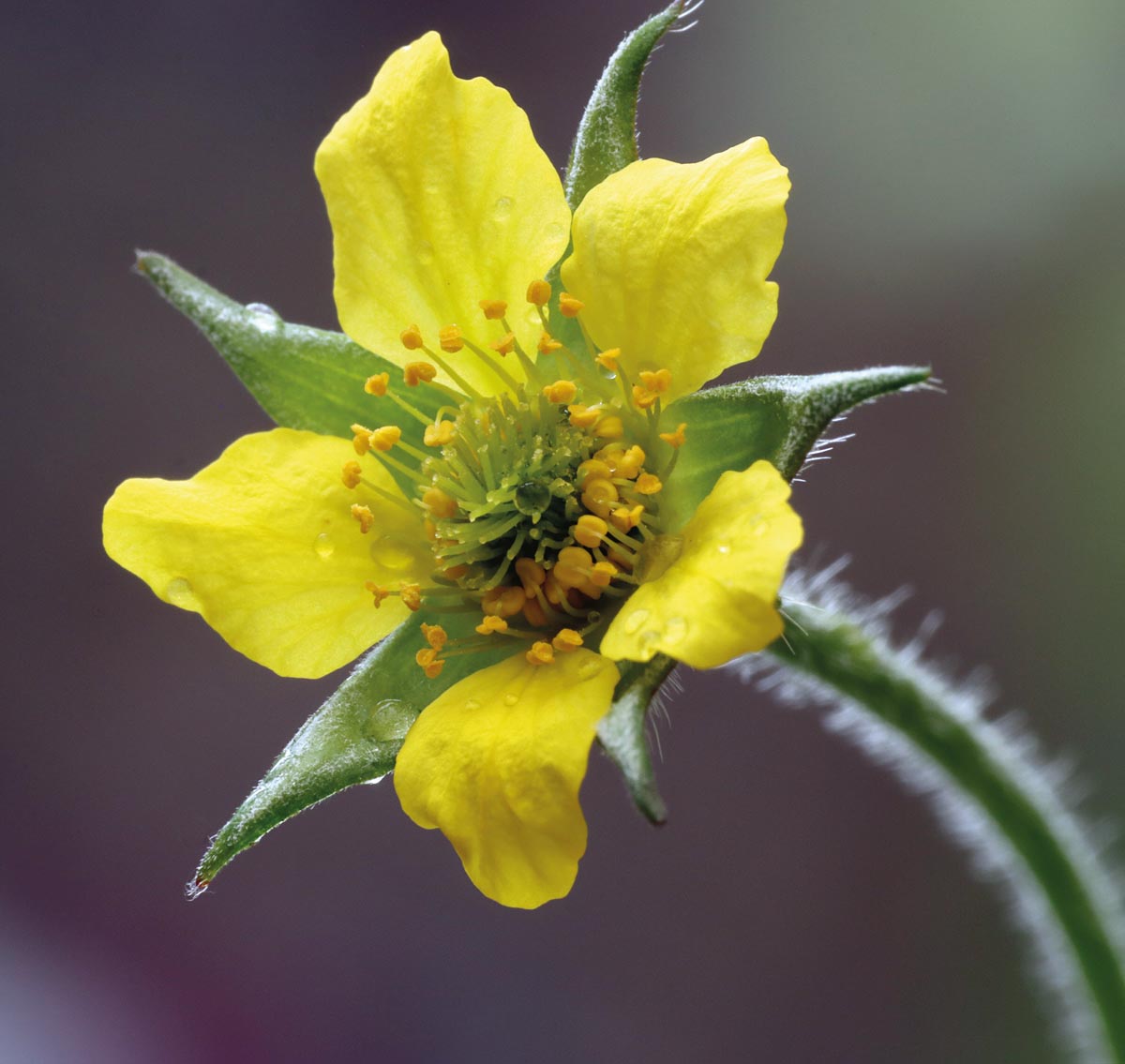
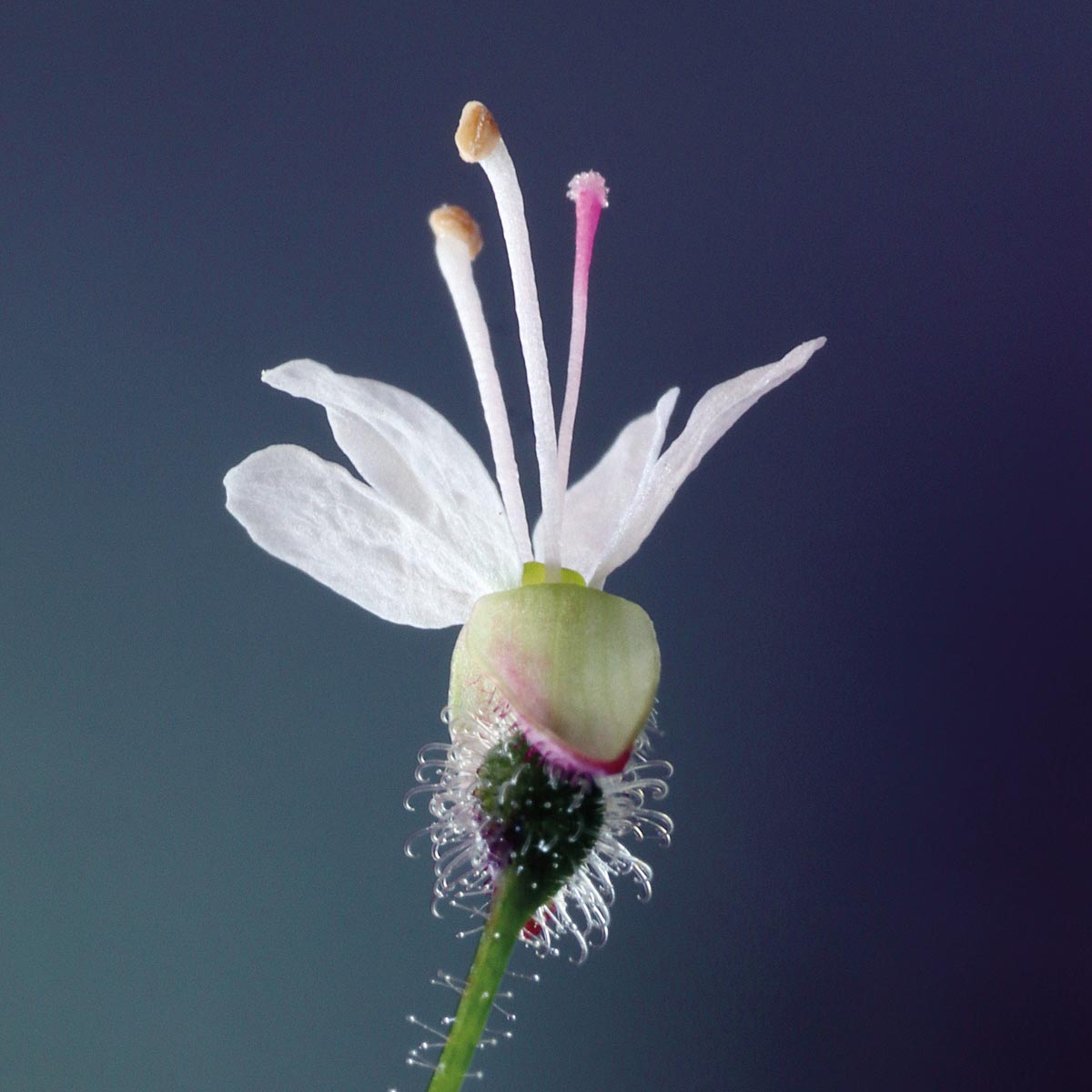
The type of weeds that we have in our garden will depend very much on the soil type and what is growing nearby. When you look closely, their flowers often have a beautiful form providing an important nectar source for small insects at the bottom end of the food chain, and therefore play a key role in the ecosystem. Later in the season, their seeds have an array of fascinating and diverse structures which provide an additional food source for many species. So, why not get your hand lens out or switch your mobile to macro and have a look!
Of course, the issue for gardeners is that most of the plants classed as weeds produce exceptionally large quantities of seed which find their way into gardens through natural means of dispersal. In addition, weeds such as nettles and couch grass have extensive root systems which spread quickly and are difficult to remove. But leaving those aside, let’s look at a few examples of other plants which find their way into gardens, onto waste land and in cracks between paving stones. Appreciating their beauty involves a shift in perspective and an acknowledgement of the inherent value of every plant in its ecological context.
These common plants can pop up in all the different habitats found in a typical garden:
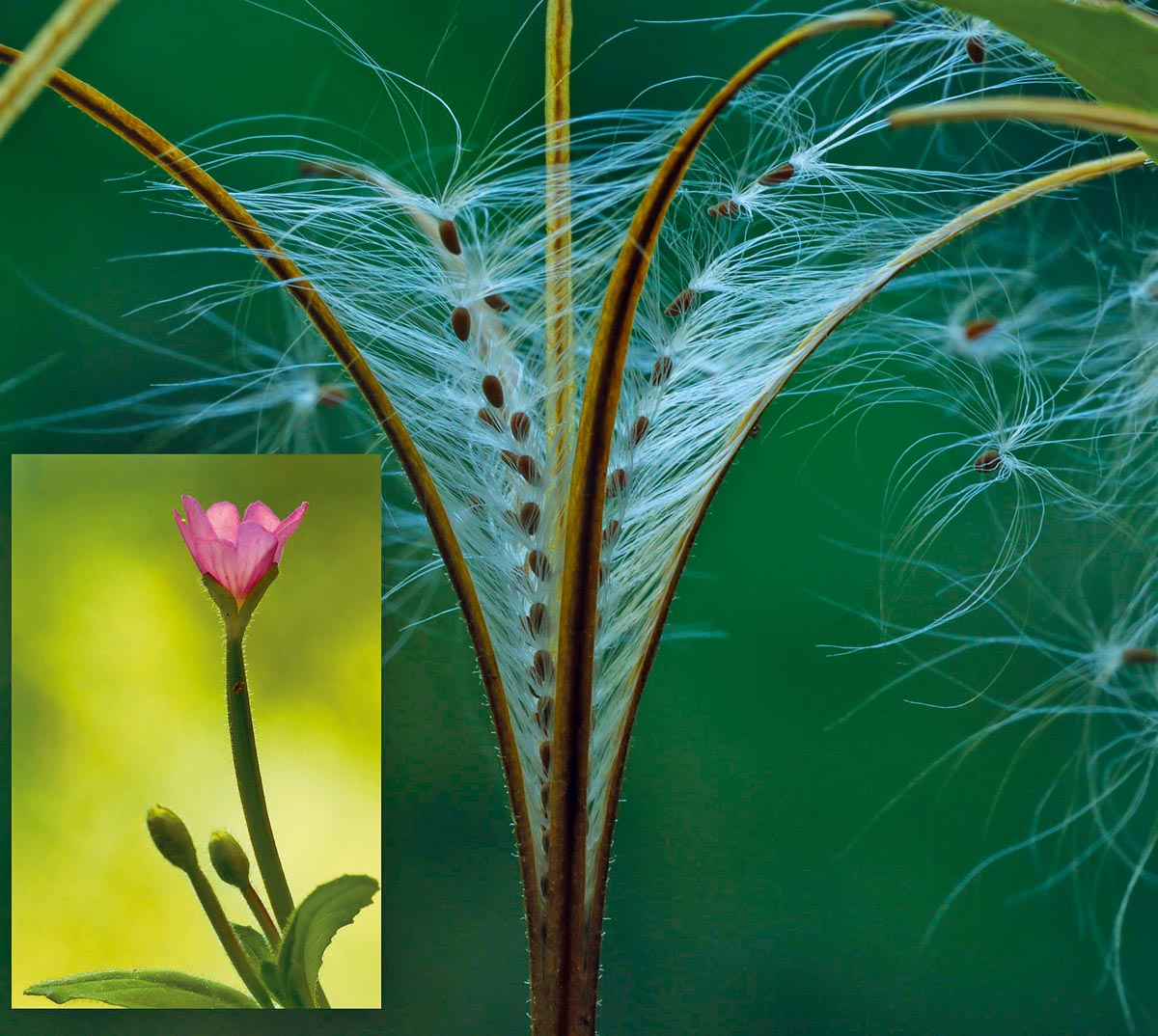
A recent invader from Northern America now frequently found in gardens in southern counties.The simple flower produces a multitude of seeds dispersed in the wind by fine hairs.
Explore
Stand up for Nature
The Beauty of Weeds
Rewilding the Skies over Wild Woodbury
Hogchester and the Harvester
Species of The Month
News
Our Community
Young Conservationists
Taking Action for Dorset’s Rivers and Wetlands
A Haven for Wildlife at Sculpture by The Lakes
Learn the Wild Way at Kingcombe
For the Love of Wildlife
Powerstock Common Wildlife Walk
Taking a Closer Look at Micro-moths
Celebrate and Commemorate
Remembering Someone Special with a Gift for Wildlife