Last year’s State of Nature report showed that the UK is one of the world’s most nature-depleted countries in the world. With local and general elections looming, Conservation Director, Imogen Davenport explains how and why we need to make our voice heard.
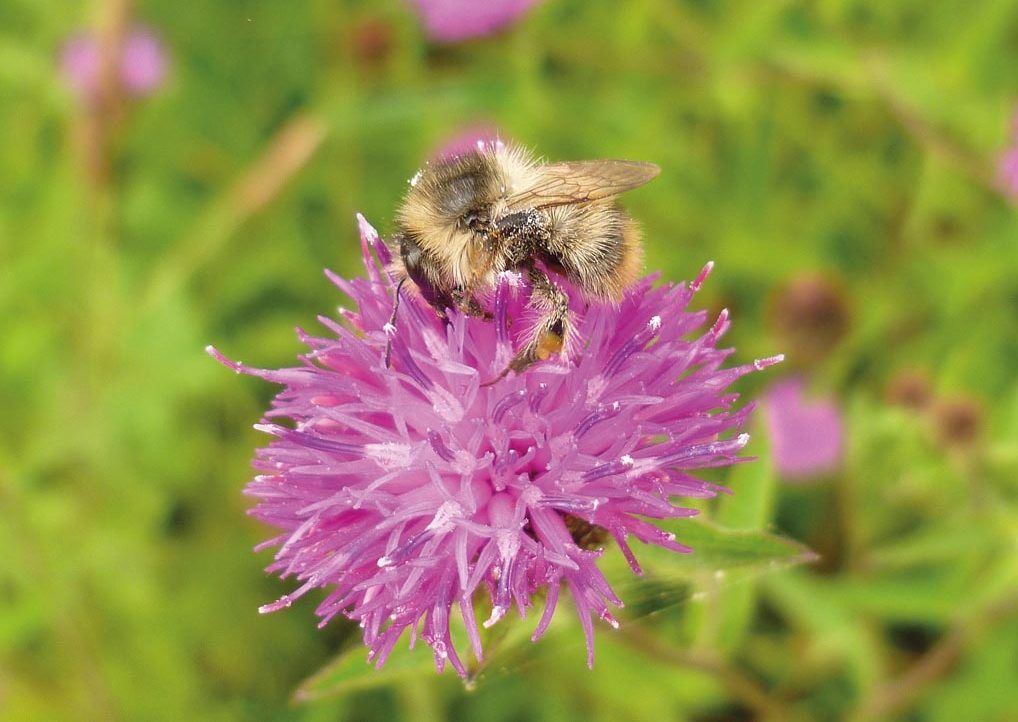
The landmark 2023 State of Nature Report showed that one in six species is now at risk of being lost from Great Britain, and the wildlife studied has declined by 19% since monitoring began in 1970. Across Dorset, over 400 land and freshwater species recorded in the past are now thought to be extinct: about 1 in 40 species. These include the pearl bordered fritillary butterfly, shrill carder bee and chough. Extinction is only the tip of the iceberg though – some 2,500 species are still here, but are threatened, rare, scarce, or protected in our area.
We want politicians to commit to these five priorities ahead of 2024’s national and local elections:
Bring back the UK’s lost wildlife:The next UK Government must work across departments to put nature into recovery by protecting and restoring at least 30% of land and sea for nature by 2030.
End river pollution:With under 15% of Dorset’s rivers in good ecological condition, measures must be taken to reduce nutrient pollution from farming, sewage and development and introduce stronger protections for Dorset’s chalk streams, a globally rare habitat.
Fund wildlife-friendly farming:Farmers must be supported and incentivised to help wildlife recover. Dorset Wildlife Trust works closely with many landowners to adopt nature-friendly land management, and to significantly reduce pollution and the use of pesticides.
Enable healthy communities:Government and local authorities must support the creation of more greenspace in neighbourhoods, fund and integrate green prescribing into community-based health services and enable all children to access outdoor learning opportunities.
Tackle the climate emergency:Nature can make a huge contribution to achieving net-zero targets if the next UK Government prioritises the restoration of habitats such as peatlands, woodlands, and other wild places which store carbon.
People’s concern about nature loss, climate change and degraded wild places is a significant voting issue and with general and local elections on the horizon, it’s important that politicians are aware of those concerns and hear directly from constituents about them. Dorset Wildlife Trust along with its national federation of 46 Wildlife Trusts across the UK are calling on politicians of all parties to commit to an ambitious programme of policies to support nature’s recovery.
Talk to your local prospective party candidates Take the opportunity to tell them about environmental issues you care about and ask for their help with local issues.
Email or write to your MP or councillor Let your MP or prospective parliamentary candidate know what you want our future government’s priorities to be. Visit wildlifetrusts.org.uk/actions/contact-your-mp for advice.