Each month we choose a particular species, highlighting its unique characteristics and habitat, and ask our members and supporters to report any sightings in their garden or local green space using the interactive map on our website. We send all the sightings to the Dorset Environmental Records Centre (DERC), who collate the information to build a better picture of the state of Dorset’s wildlife.
In March, our species of the month is one of our most familiar butterflies, the red admiral. This distinctive beauty is an unmistakable garden visitor and may be seen feeding on flowers on warm days.
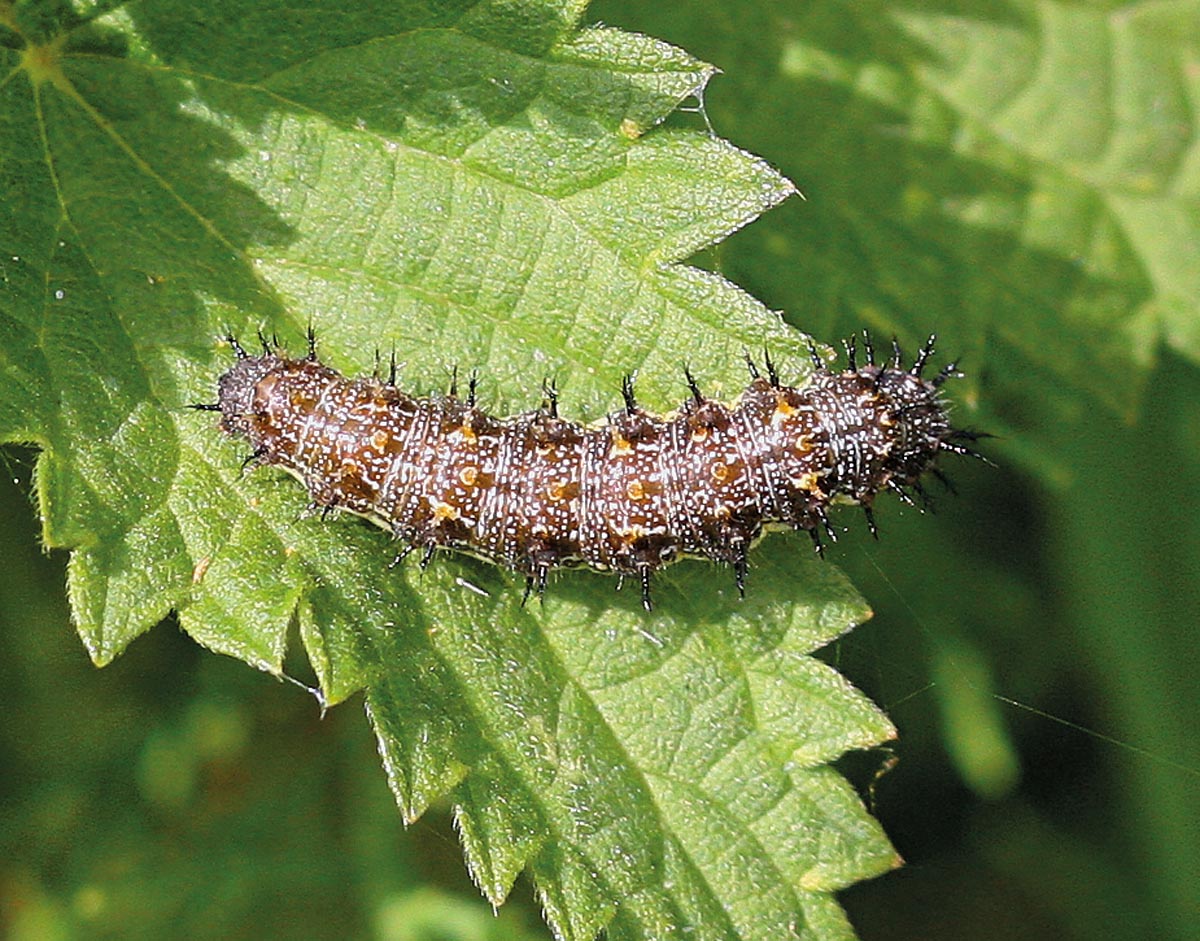
Starting each spring and continuing through the summer, red admirals migrate northwards from North Africa and continental Europe. The migrant females lay eggs and consequently there is an emergence of young butterflies from July onwards. They continue flying into October or November and are typically seen feeding on nectar-rich buddleias, flowering ivy, and rotting fruit. The most important and widely available larval foodplant is the common nettle.
Red admirals seen in autumn usually migrate south back to the continent. Due to the warmer winters, however, red admirals are overwintering in the UK, especially in southern counties like Dorset.
To attract butterflies, such as the red admiral, into your garden or green space, plant nectar-rich flowers in borders for them to feed on, as well as climbing ivy and shrubs like lavender.
FACT FILE
Wingspan: 67 – 72mm
Identification: Black with broad, red stripes on the hindwings and forewings, and white spots near the tips of the forewings
Conservation status: Common
Habitat: Grassland, farmland, coastal, woodland, parks, and gardens
Distribution: Common throughout the UK
SPECIES OF THE MONTH
Visit our website to find out more.
Explore
News
Our Community
Young Conservationists
Species of the Month
Hogchester and the Harvester
The Beauty of Weeds
Rewilding the Skies over Wild Woodbury
Taking Action for Dorset’s Rivers and Wetlands
A Haven for Wildlife at Sculpture by The Lakes
Learn the Wild Way at Kingcombe
For the Love of Wildlife
Powerstock Common Wildlife Walk
Taking a Closer Look at Micro-moths
Celebrate and Commemorate
Remembering Someone Special with a Gift for Wildlife